Discover how sensory processing differences and executive dysfunction fuel chronic anxiety in autistic individuals, and learn how specialized psychiatric care creates a tailored framework for relief.

To understand how autism and anxiety overlap, you must look past surface-level behaviors and examine the unique profile of a highly sensitive nervous system. For an autistic individual, clinical anxiety is not simply an independent, co-occurring psychological diagnosis; it is frequently a direct, physiological consequence of navigating an intense, high-stimulus world with a hyper-reactive autonomic baseline. When chronic sensory overload, the heavy cognitive toll of social masking, and executive functioning strain combine, they lock the central nervous system into a continuous state of daytime fight-or-flight hyperarousal that requires a specialized, data-driven medical approach to resolve.

The Neurobiological Intersection: A Shared Nervous System Strain
A common mistake in traditional medicine is treating autism spectrum profiles and clinical anxiety disorders as completely separate conditions with isolated treatment plans. In reality, the neurobiology of an autistic brain features specific structural and signaling differences that naturally increase its vulnerability to severe, persistent stress.
The brain’s primary threat detector (the amygdala) often shows altered development and connectivity patterns in autistic individuals. This baseline neurobiological difference means the nervous system does not process external environmental inputs or internal emotional shifts the same way a neurotypical brain does. Instead, ordinary sensory inputs—such as the hum of fluorescent lights in a high-rise downtown office, the unpredictable acoustics of a busy school corridor, or complex, unspoken social expectations—are tracked by the brain as literal, imminent physical threats.
Primary Biological Drivers of the Overlap
When evaluating an autistic child, teenager, or high-achieving adult for anxiety, a thorough medical consultation must look past generic diagnostic checklists to isolate the core drivers of nervous system hyperarousal:
Chronic Sensory Processing Sensitivity (SPS)
Autistic individuals possess a hyper-tuned nervous system that processes sensory inputs deeply. When exposed to a high-stimulus environment for extended periods, the brain becomes completely overwhelmed. This state of sensory overload places an immense load on their biology, spilling over into acute panic loops, absolute physical exhaustion, or sudden, unprovoked adrenaline surges.
The Heavy Cognitive Cost of Camouflage and Masking
High-achieving autistic professionals, legal partners, and legacy students often spend decades mastering “social masking”—the conscious, exhausting process of suppressing natural behaviors and mimicking neurotypical communication blocks to fit into corporate settings or social networks. Masking demands continuous, high-level executive processing. This hidden effort steadily depletes internal biological reserves, eventually causing severe executive burnout, profound brain fog, and chronic internal depletion.
Rigid Processing and Executive Dysregulation
An autistic brain relies heavily on predictable structures, familiar patterns, and clear transitions to maintain a sense of biological safety. When routines change unexpectedly or environments become unpredictable, the brain’s internal “error message” system fires rapidly. This structural friction triggers intense internal panic that can easily be misdiagnosed as generic, high-functioning anxiety.

Recognizing How Anxiety Manifests Across the Spectrum
Because autistic individuals process and express emotions differently, their anxiety rarely presents as standard adult worry. Instead, a dysregulated, locked threat response manifests through distinct behavioral and physical tracking signs:
- An Intense Influx of Repetitive Behaviors: A sudden, noticeable increase in self-regulatory behaviors (such as rocking, pacing, or repeating words) as the nervous system frantically attempts to soothe an overamplified baseline.
- Severe Behavioral Meltdowns or Complete Shutdowns: When the internal fight-or-flight response is pushed past its limit, it can surface as a sudden, reactive meltdown or an inward shutdown where the individual goes quiet, detaches from communication blocks, and withdraws entirely to protect their system.
- Physical Tracking of Invisible Distress: Watch for a total disruption of sleep architecture, severe insomnia, or regular complaints of stomachaches, muscle tension, and chronic pain.
If you or your child are a highly sensitive individual experiencing chronic physical distress alongside emotional exhaustion, a standard diagnostic approach is entirely inadequate. A meticulous evaluation is required to analyze the deep connection between localized pain signaling and central nervous system sensitivity.
Isolating the root biological drivers of specialized conditions like Fibromyalgia and Chronic Pain Treatment or Amplified Musculoskeletal Pain Syndrome (AMPS) allows the physician to down-regulate hyper-reactive neural pathways, clearing cognitive fog and restoring baseline physical capacity.
Evidence-Based Supplementation
Our Conservative Medication Management Philosophy
A major concern for neurodivergent individuals and families exploring psychiatric support is the fear of standard clinics that rely on high-volume, automated prescription templates. High-achieving, sensitive autistic nervous systems are exceptionally responsive to minor biochemical changes; standard, high-dose regimens frequently cause paradoxical reactions, severe side effects, daytime drowsiness, or an emotional blunting that strips away your cognitive edge.

An elite clinical practice completely rejects those automated frameworks to operate under a strict, conservative "Start Low and Go Slow" clinical directive.
Under this precise framework, prescriptions are never treated as a permanent default or a lifestyle requirement. Instead, they are utilized strictly as a temporary, short-term scaffold to quiet the baseline neurological noise. By introducing non-habit-forming neuro-modulators at the absolute lowest effective dose, we gently ease autonomic hyperarousal. This precise approach reduces sensory vulnerability and stabilizes your biology without altering your core identity, allowing you to build long-term lifestyle boundaries and step back into absolute clarity.
Deconstructing Spiritual Blame to Find True Structural Peace
In values-driven and faith-sensitive households, the internal panic, social friction, or behavioral shutdowns associated with autism and anxiety can introduce an invisible weight of spiritual self-blame. High-performing individuals frequently internalize their biological limitations as a moral shortfall, rationalizing that their chronic anxiety, sensory overwhelm, or inability to easily navigate corporate networking events indicates a fractured faith, a lack of trust in God, or an inadequate prayer life.
Our clinical framework actively deconstructs this narrative by verifying that your symptoms are rooted in measurable, structural differences in the central nervous system. We provide an entirely confidential, clinically rigorous environment where your Christian convictions are integrated as a primary pillar of your recovery rather than an afterthought. By treating the human design as a unified, intentional synthesis of neurological pathways and spiritual depth, we ensure your personalized medical plan respects your relationship with God, establishing a clear pathway toward sustainable, structural peace.
Frequently Asked Questions
How can a psychiatrist tell the difference between autism and standard anxiety?
Standard anxiety centers on persistent, catastrophic worrying about future events. While an autistic individual can experience this, their anxiety is uniquely anchored in chronic sensory processing overload, cognitive fatigue from social masking, or a deep neurological resistance to disrupted routines, which a psychiatrist identifies through an unhurried, comprehensive evaluation.
Is telehealth psychiatry effective for autistic individuals struggling with anxiety?
Yes. Secure, high-definition telehealth psychiatry is exceptionally effective for neurodivergent patients. Virtual consultations allow individuals to engage in a thorough diagnostic evaluation from the absolute privacy, comfort, and safety of their home environment anywhere in Florida, completely removing the massive sensory overload of commuting and sitting in a public medical waiting room.
What is social masking, and why does it cause anxiety?
Social masking is the conscious effort by an autistic individual to hide their natural traits, stims, or communication styles to blend into neurotypical environments. Masking requires an immense amount of continuous cognitive energy, which quickly drains biological reserves and locks the autonomic nervous system into an exhausting state of chronic executive burnout.
Will medication cure the anxiety caused by autism?
Medication is not a cure for autism, nor should it be used to suppress an individual’s natural neurodivergent traits. Instead, a conservative pharmacological approach serves as a temporary, targeted scaffold to turn down the volume on a hyper-reactive nervous system, making sensory sensitivities more manageable so the individual can thrive without constant internal friction.
Book a Consultation
It’s easy and free!
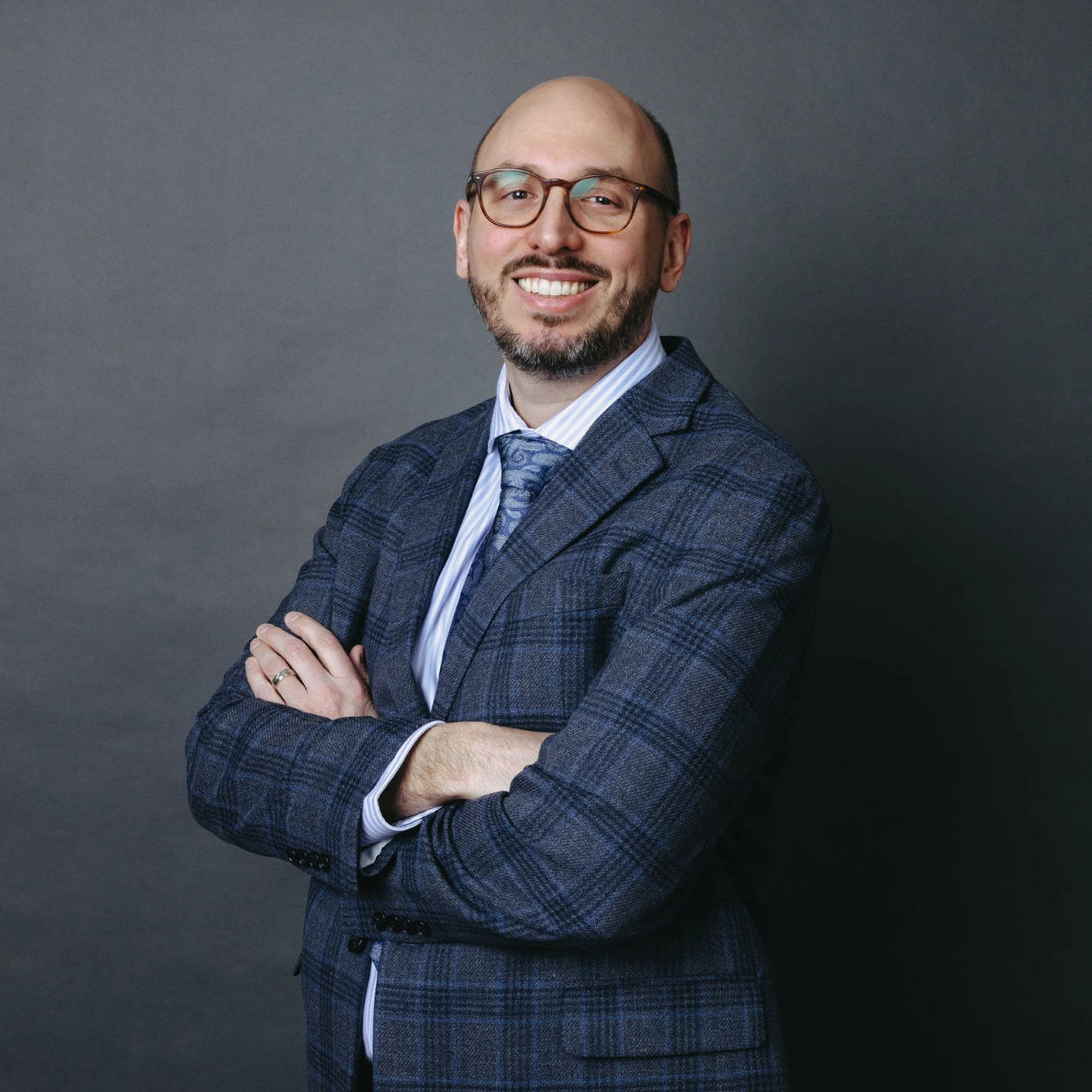
Andrew Kuiken
Andrew Kuiken, DMSc, PA-C, is a certified physician assistant and the founder of Christian Psychiatry & Wellness. With over a decade of clinical experience, he is dedicated to restoring quality of life through advanced psychiatric care delivered with compassion and precision.