Understand the clinical criteria used to determine when anxiety requires targeted medical intervention versus holistic, therapy-driven strategies for long-term nervous system regulation.

Medication is not always necessary for anxiety, as many individuals achieve complete neurological stabilization through targeted lifestyle interventions, circadian rhythm optimization, and specialized behavioral therapies. However, when high-functioning anxiety or severe panic loops lock your autonomic nervous system into a chronic, daytime state of fight-or-flight hyperarousal, your internal biological reserves naturally deplete. In these specific clinical scenarios, a conservative, data-driven pharmacological intervention can serve as a vital, temporary scaffold. This approach calms overwhelming neurological noise, opening up a necessary physical window for long-term psychological and lifestyle strategies to take hold.

The Neurobiology of Anxiety: Understanding Your Autonomic Baseline
To accurately answer whether you require medication, you must first understand what is happening inside a hyper-reactive nervous system. Clinical anxiety is not a simple psychological weakness or a failure to control your thoughts. It is a measurable physiological state rooted in a communication breakdown between your brain’s threat detector (the amygdala) and your cognitive control center (the prefrontal cortex).
When you navigate an intensely demanding corporate career, high-stakes legal practice, or the complex logistics of an elite household, your brain faces continuous stress. Over time, this constant pressure causes your autonomic nervous system to lose its natural flexibility. Your body begins tracking stress as a literal physical threat, keeping your adrenaline and cortisol levels elevated long after the workday has ended.
This chronic biological strain leaves your system deeply depleted, surfacing as distinct physical and cognitive symptoms:
- Daytime Hypervigilance & Constant Worrying: A persistent, exhausting internal narrative that forces you to constantly anticipate worst-case scenarios, crippling your executive decision-making clarity.
- Severe Sleep Architecture Disruption: Difficulty falling asleep, frequent nighttime panic wake-ups, or a total loss of deep, restorative sleep that blocks essential neural recovery.
- Physical Tracking of Tension: Unexplainable tension headaches, chronic gastrointestinal distress, sudden chest tightness, or a constant feeling of physical exhaustion.
When Non-Medicinal Strategies Are the Primary Path
For many individuals, an overactive nervous system can be successfully re-anchored without introducing any psychiatric prescriptions. A thorough medical diagnostic consultation explores these non-pharmacological avenues as your primary treatment roadmap, focusing heavily on resetting your biological foundations:
Circadian Rhythm & Sleep Optimization
Your brain cannot replenish vital neurotransmitters if your natural biological clock is broken. Prioritizing strict sleep hygiene, fixing sleep schedules, and eliminating blue light stimulation can fundamentally lower your daytime anxiety baseline.

Targeted Anti-Inflammatory Guidance
Systemic cellular inflammation from high stress and poor dietary patterns directly compromises your gut-brain axis, altering serotonin production. Modifying metabolic inputs and reducing systemic inflammation can significantly lower nervous system sensitivity.
Evidence-Based Supplementation
Utilizing high-grade, clinically backed micronutrients, amino acids, and adaptogens provides your brain with the raw biological building blocks needed to support natural stress resilience without chemical intervention.
When a Conservative Pharmacological Scaffold Is Necessary
If your baseline neurobiology is so profoundly dysregulated that you find yourself trapped in constant panic loops or unable to implement behavioral strategies, medication becomes a highly effective medical tool.
Many high-achieving individuals avoid seeking professional help because they fear standard clinics that rely on high-volume, automated prescription templates. You may worry about being placed on high-dose, habit-forming regimens that cause destructive daytime drowsiness, memory fatigue, or an emotional blunting that strips away your professional edge.

An elite concierge clinical practice completely rejects those automated frameworks to operate under a strict, conservative "Start Low and Go Slow" clinical directive.
Under this precise framework, prescriptions are never treated as a permanent default or a lifelong requirement. Instead, they are utilized strictly as a short-term, targeted scaffold.
By introducing non-habit-forming neuro-modulators at the absolute lowest effective dose, we gently quiet the overamplified internal danger alarms. This subtle biochemical optimization stabilizes your system without altering your core identity or dampening your cognitive drive. It provides the quiet focus necessary to build long-term psychological resilience and lasting lifestyle habits, safely guiding you back to a state of clarity.
Managing Specialized, Overlapping Pain and Anxiety
The question of whether medication is necessary becomes even more critical when anxiety triggers or worsens physical agony. Because your nervous system is a unified, continuous network, chronic mental strain can cause your brain to turn up the volume on sensory signaling across your entire body.
If you are a highly sensitive individual experiencing emotional exhaustion alongside unexplainable physical distress, a generic diagnostic approach is entirely inadequate. An unhurried, comprehensive evaluation is required to analyze the deep interplay between your emotional anxiety and central nervous system sensitivity.
Isolating the root biological drivers of specialized conditions like Fibromyalgia and Chronic Pain Treatment or Amplified Musculoskeletal Pain Syndrome (AMPS) allows the physician to build a data-driven roadmap. This precise strategy down-regulates hyper-reactive neural pathways, clearing debilitating cognitive fog and restoring your baseline daily physical capacity.
Deconstructing Spiritual Self-Blame and Guilt
In values-driven and faith-sensitive households, the sudden emergence of clinical anxiety or panic attacks often brings an invisible weight of spiritual self-blame. High-performing individuals frequently internalize their biological limitations as a moral shortfall, rationalizing that their constant worry, chest tightness, or cognitive fatigue indicates a fractured faith, a lack of trust in God, or an inadequate prayer life.
Our clinical framework actively deconstructs this toxic narrative by verifying that your symptoms are rooted in measurable physiological dysregulation of the central nervous system. We provide an entirely confidential, clinically rigorous environment where your Christian convictions are integrated as a primary pillar of your recovery rather than an afterthought. By treating the human design as a unified, intentional synthesis of neurological pathways and spiritual depth, we ensure your personalized medical plan respects your relationship with God, establishing a clear pathway toward sustainable, structural peace.
Frequently Asked Questions
Can I reduce or eliminate my anxiety without prescription medications?
Yes. Many individuals successfully manage and overcome mild to moderate anxiety by prioritizing advanced lifestyle interventions, comprehensive sleep architecture adjustments, metabolic optimization, and specialized behavioral techniques that actively retrain a hyper-reactive nervous system.
How do I know if my anxiety has reached a point where medication is necessary?
Medication is typically recommended when your anxiety becomes so intense or persistent that non-pharmacological strategies cannot take hold. If panic loops, high-functioning anxiety, or chronic insomnia actively compromise your professional execution, legal accuracy, or household relationships for several consecutive weeks, a medical scaffold is warranted.
Is telehealth psychiatry effective for managing anxiety without medication?
Yes. Secure, high-definition telehealth psychiatry is exceptionally effective for non-pharmacological care. Virtual appointments allow you to undergo an unhurried, deep-dive evaluation and receive continuous lifestyle, supplemental, and behavioral guidance from the absolute privacy and seclusion of your home or office anywhere in Florida, completely removing the logistical overhead of public medical waiting rooms.
Will taking anxiety medication make me dependent on it for life?
No. Our medical philosophy treats anxiety prescriptions strictly as a short-term, supportive tool designed to help stabilize your central nervous system. The ultimate goal is to safely pair conservative pharmacological support with evidence-based supplementation and stress-reduction techniques, eventually tapering down to a medication-free lifestyle built on permanent biological resilience.
Book a Consultation
It’s easy and free!
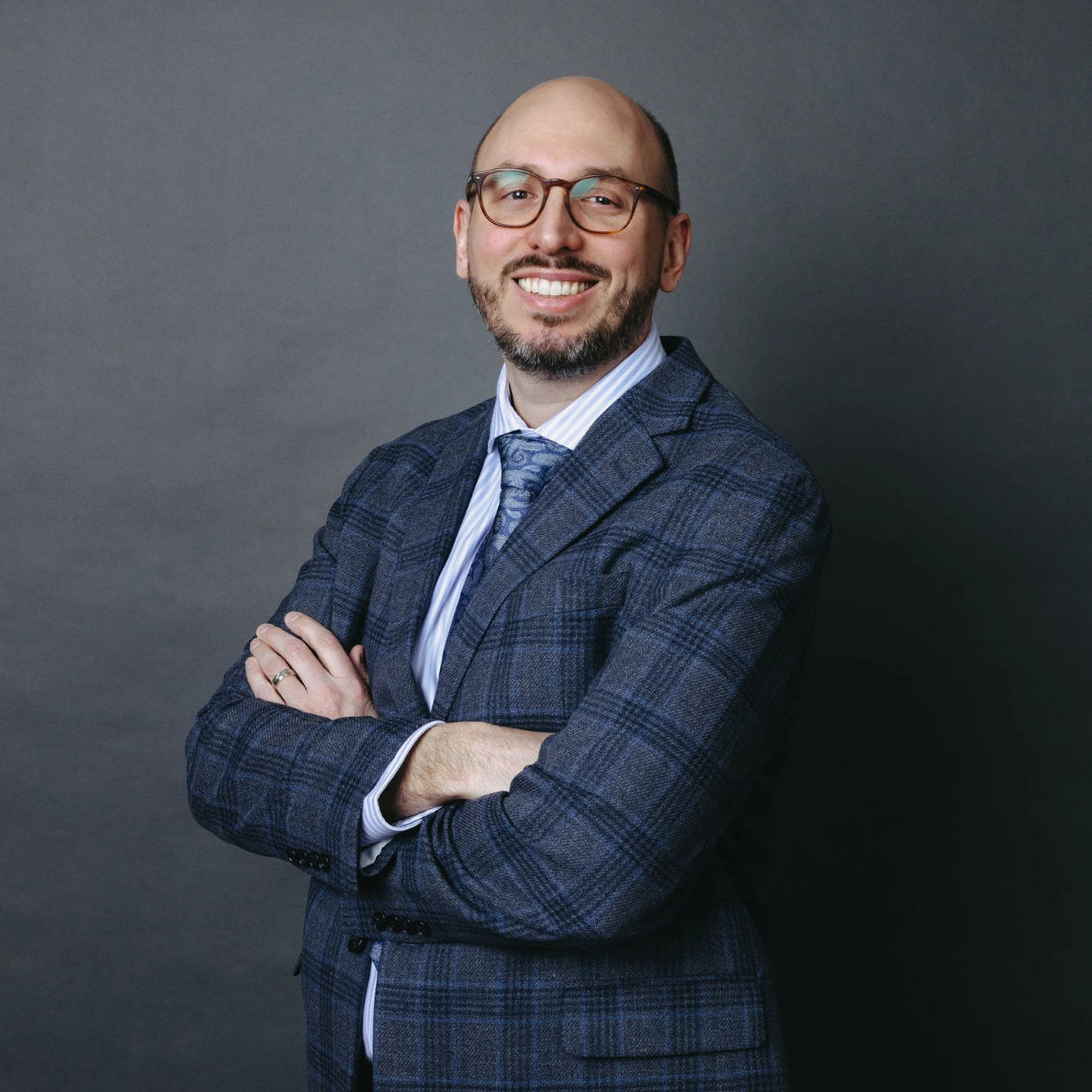
Andrew Kuiken
Andrew Kuiken, DMSc, PA-C, is a certified physician assistant and the founder of Christian Psychiatry & Wellness. With over a decade of clinical experience, he is dedicated to restoring quality of life through advanced psychiatric care delivered with compassion and precision.